Night of Oriental Magic: Chinese magician Liu Bei appears in Los Angeles, building a cultural bridge through art
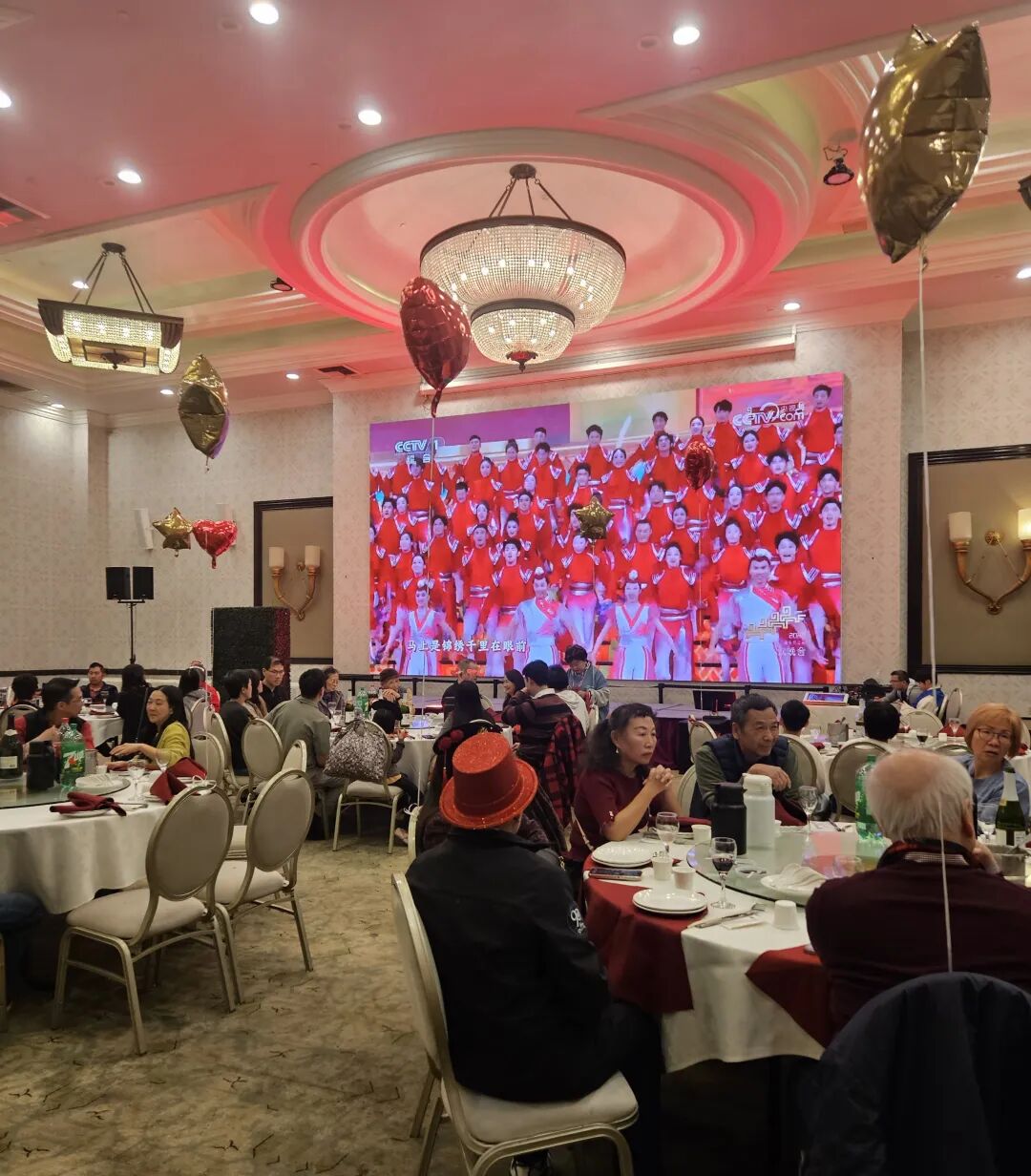
On the evening of 22 February, US West Coast time, the Hilton San Gabriel in Los Angeles was ablaze with light as the "Oriental Night of Magic" (the Chen Aifang charity gala), hosted by the U.S. Flying Tigers Research Institute, was staged there. This feast for the eye and ear, blending the essence of traditional Chinese culture with the art of modern magic, drew nearly 200 guests. Liu Bei, the favourite disciple of the renowned Chinese magician Ruxianguli, won long and unceasing applause from the whole hall with her consummate skill and distinctive charm, and after the performance received unanimous praise from a number of mainstream media outlets and from the audience.
Liang Yuxia, executive dean of the U.S. Flying Tigers Research Institute, told reporters after the show: "The moment Ms Liu Bei waved her wand on stage, this was no longer merely a magic performance but an artistic dialogue across Eastern and Western civilisations." From a hundred birds paying homage to the phoenix conjured out of playing cards to the perfect union of traditional costume and modern magic, the singular charm of Chinese culture blossomed at Liu Bei's fingertips; she deftly wove Eastern cultural symbols into the narrative of magic, opening a window on Eastern aesthetics for American audiences.
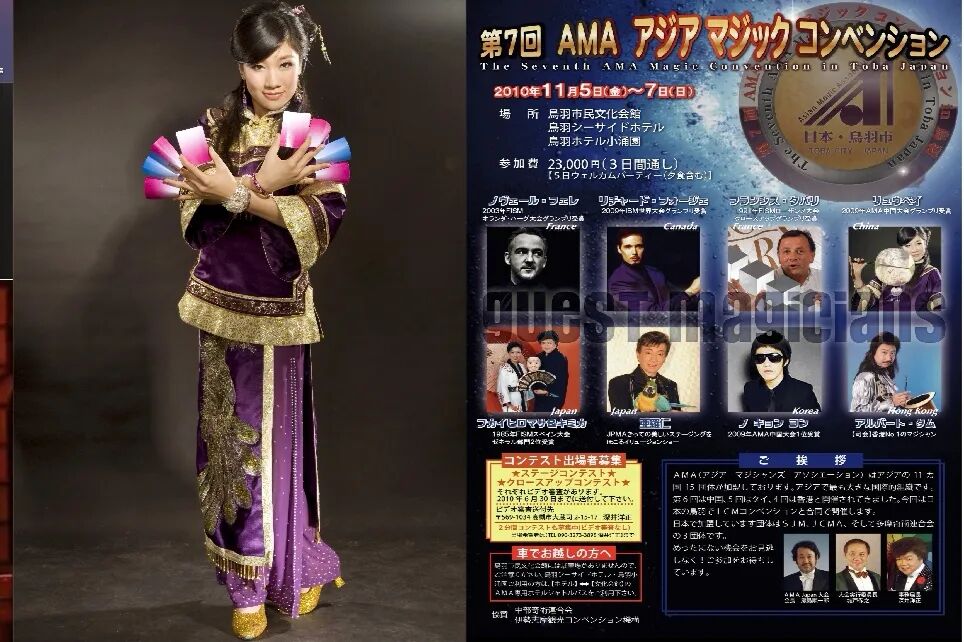
Liu Bei's performance showed rare ingenuity, opening with a distinctly Chinese "playing-card transformation" in which she combined traditional magic and levitation to perfection. An ordinary deck of cards turned in her hands into butterflies fluttering across the air, drawing gasp after gasp from the audience. On stage she achieved the incredible feat of "changing a card in one second." An American magic critic marvelled: "Such consummate technique is a perfect fusion of Eastern mysticism and Western close-up magic, creating an artistic experience never seen before — like watching Harry Potter meet Sun Wukong."
After the performance Liu Bei said, with vivid body language: "Magic is a universal language, but what I hope for more is to use this language to let the world see the deep foundations of Chinese culture." The performance displayed not only consummate magic skill but also a model of people-to-people diplomacy, using the soft power of art to bring the peoples of China and the United States closer together.
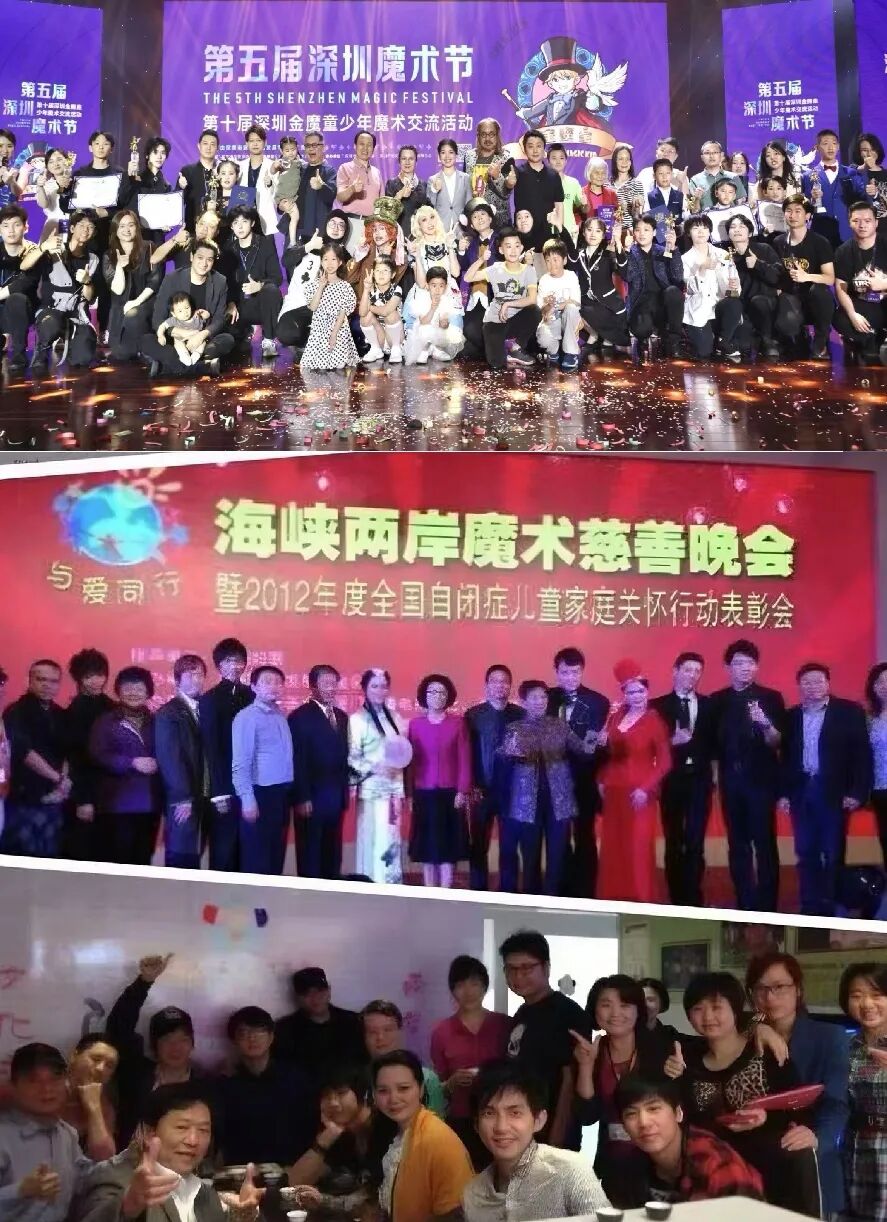
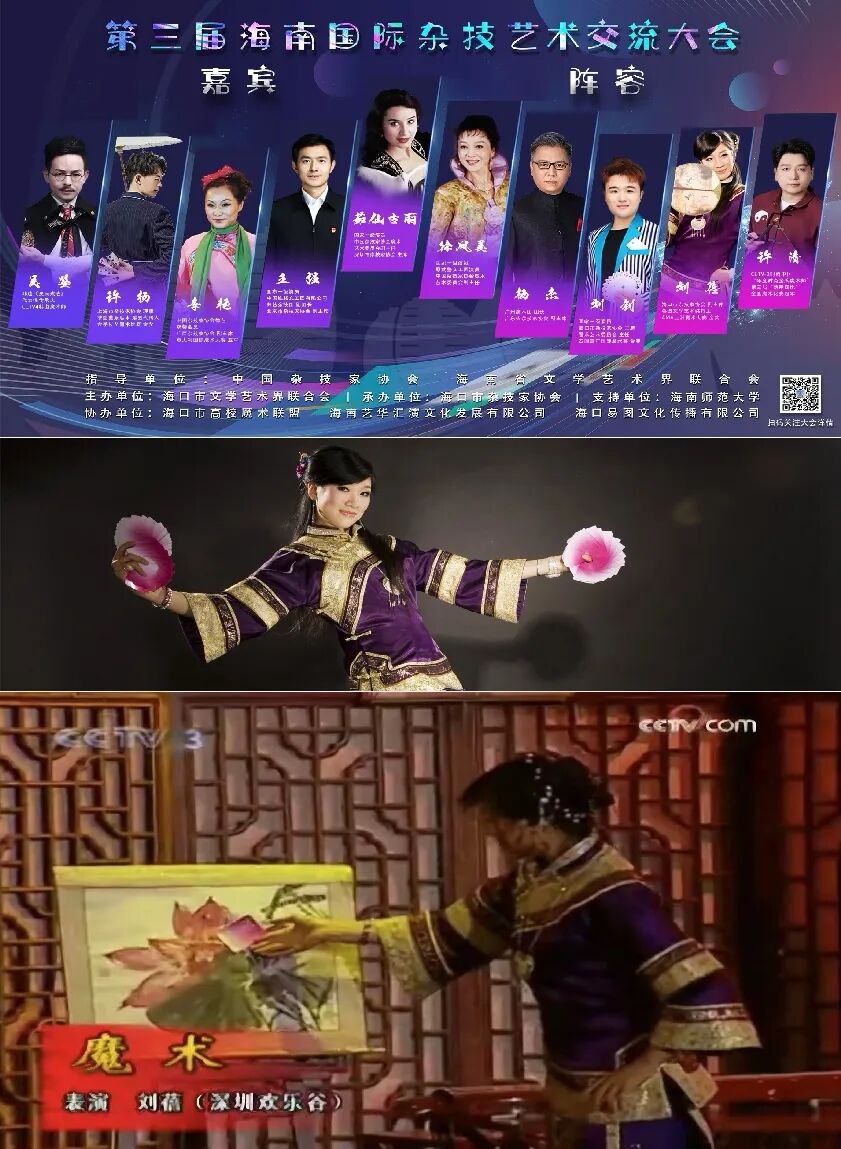
As an outstanding representative of China's new generation of magicians, Liu Bei has as her master Ruxianguli, a renowned Chinese magic artist and fourth-generation inheritor of the national intangible cultural heritage "Fu-school illusion." She serves as chief magician and assistant art director of the Happy Valley Shenzhen OCT Tourism Company, has won many awards at home and abroad, and receives a State Council expert allowance. Not long ago this reporter witnessed Ruxianguli's consummate card-dealing technique and her striking act of restoring a torn-up newspaper at two events: one at the residence of the noted Southern California collector and magician Dr Chen Canpei, and one at the "Musical New Year's Eve Dinner" held at the Ontario Marriott Hotel.
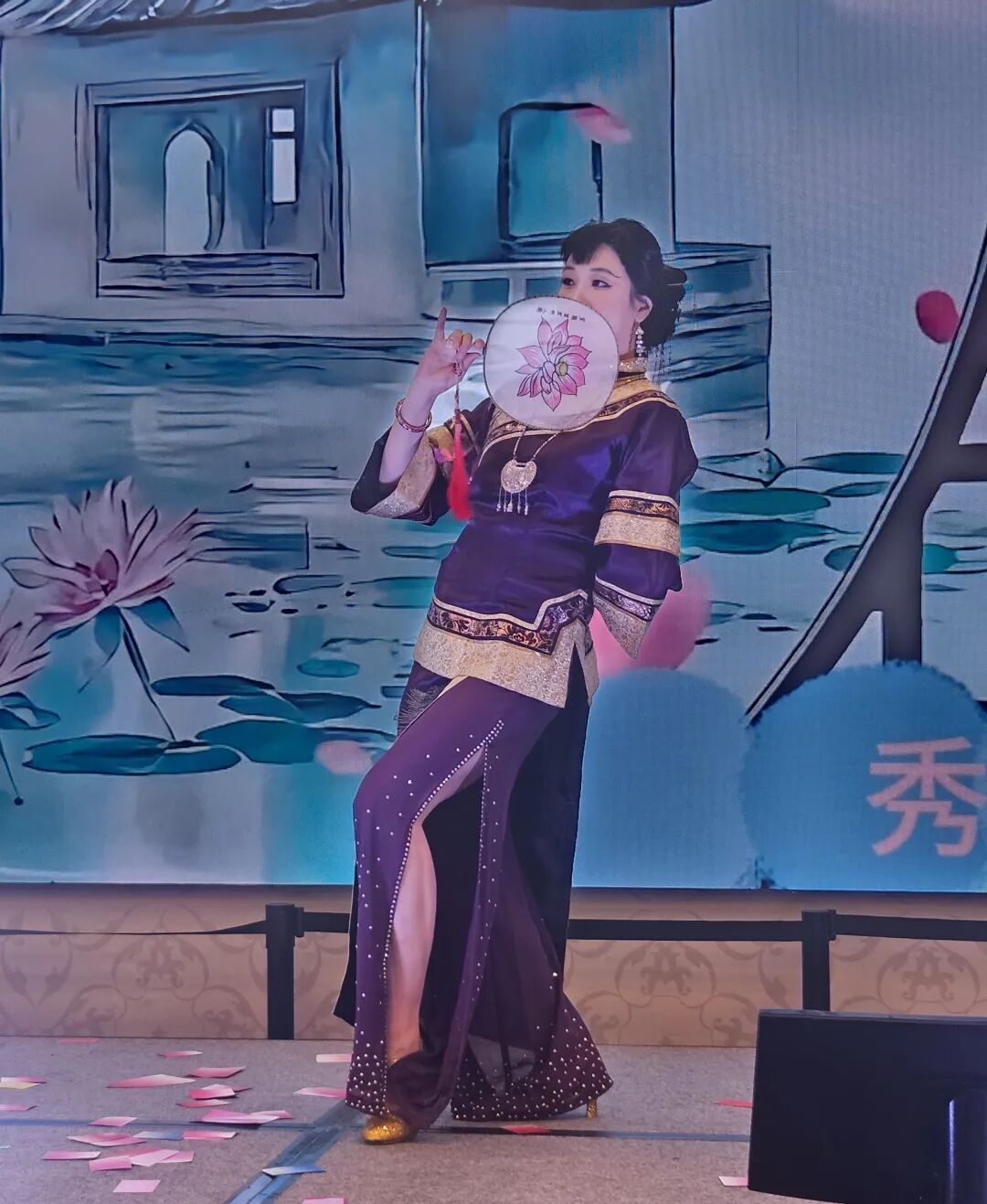
Liu Bei has made her name in international magic with a distinctive artistic style. Dressed in a magnificent gown that blends traditional elements, holding brilliantly coloured cards and an exquisite round fan, her every movement flows like drifting cloud and running water, and every change of prop seems to tell a mysterious story. Through her single-minded pursuit of the art of magic she has won many international awards, including the Gold Award at the 2009 Asian Magic Association Competition and second place at FISM in 2011, the highest-level competition in magic, and she has been invited to perform on major platforms such as CCTV-3.
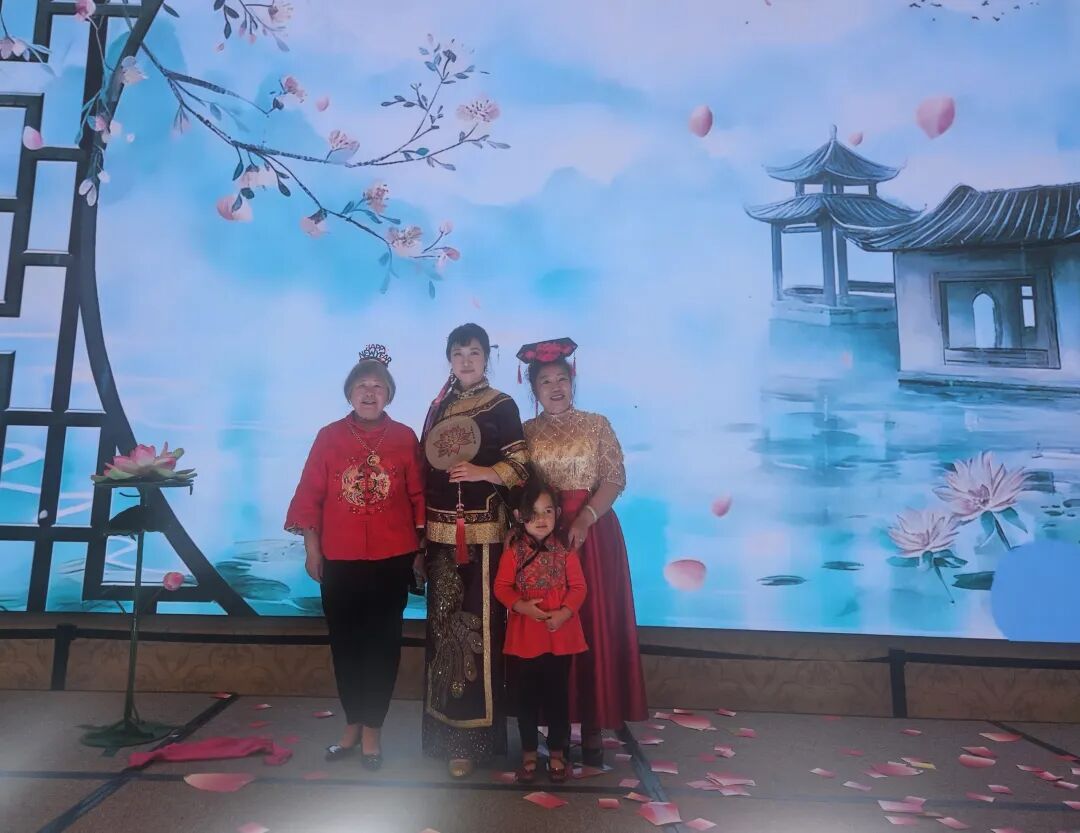
(From left: Zhang Qiying, president of the World Civilization Research Association; Liang Yuxia, executive dean of the U.S. Flying Tigers Research Institute; and the renowned magician Ruxian
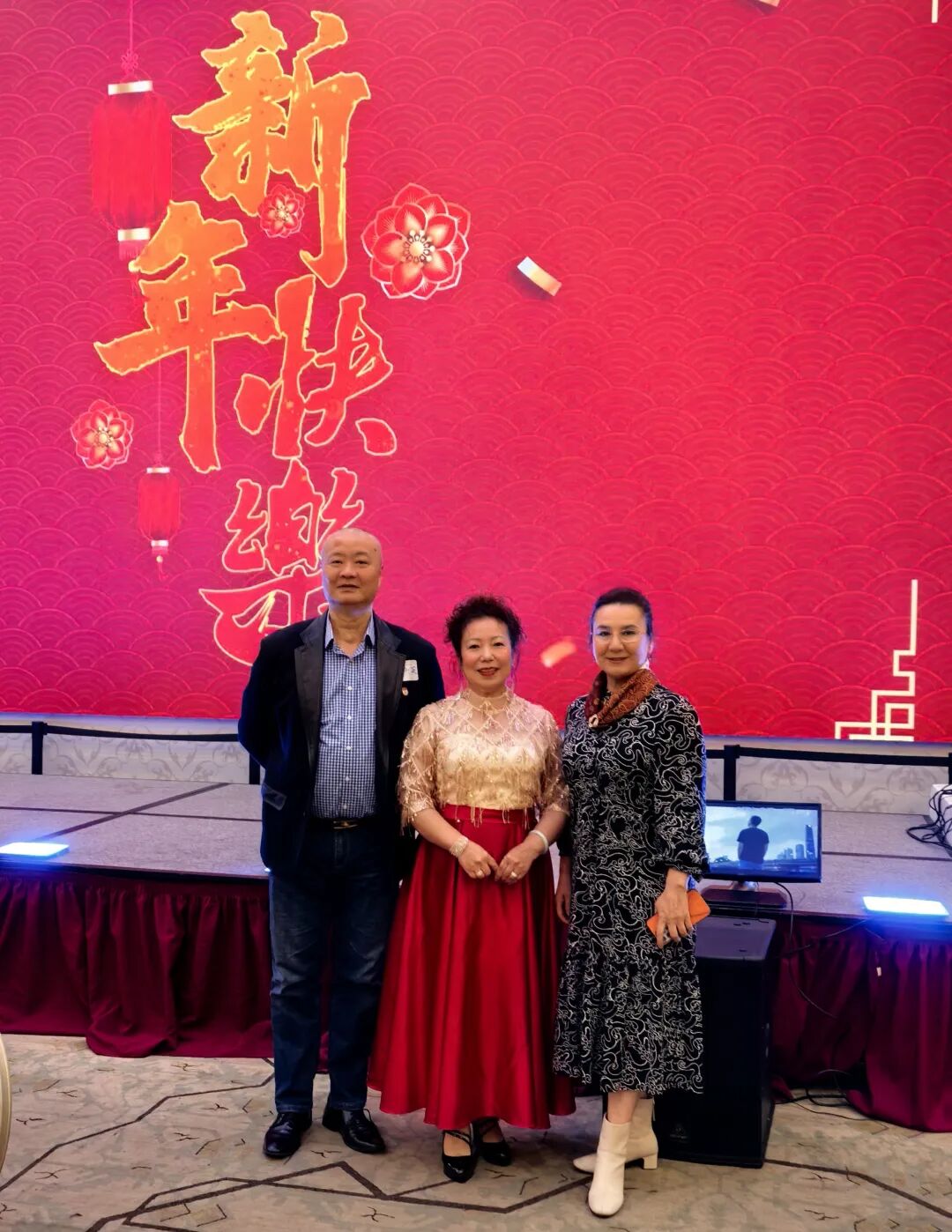
The head of the "Chinese Culture Going Global" programme revealed that after the great success of this performance, cities including Chicago and New York have extended tour invitations one after another. When the final magic act came to an end, the whole audience rose spontaneously to applaud — a moving scene that vividly bore out the truth that magic knows no borders. As one audience member put it: "Liu Bei's magic not only showed us miracles, it let us feel the strength and warmth of Chinese culture." The performance was like an invisible cultural bridge, allowing different civilisations to understand and appreciate one another through the magic of art.
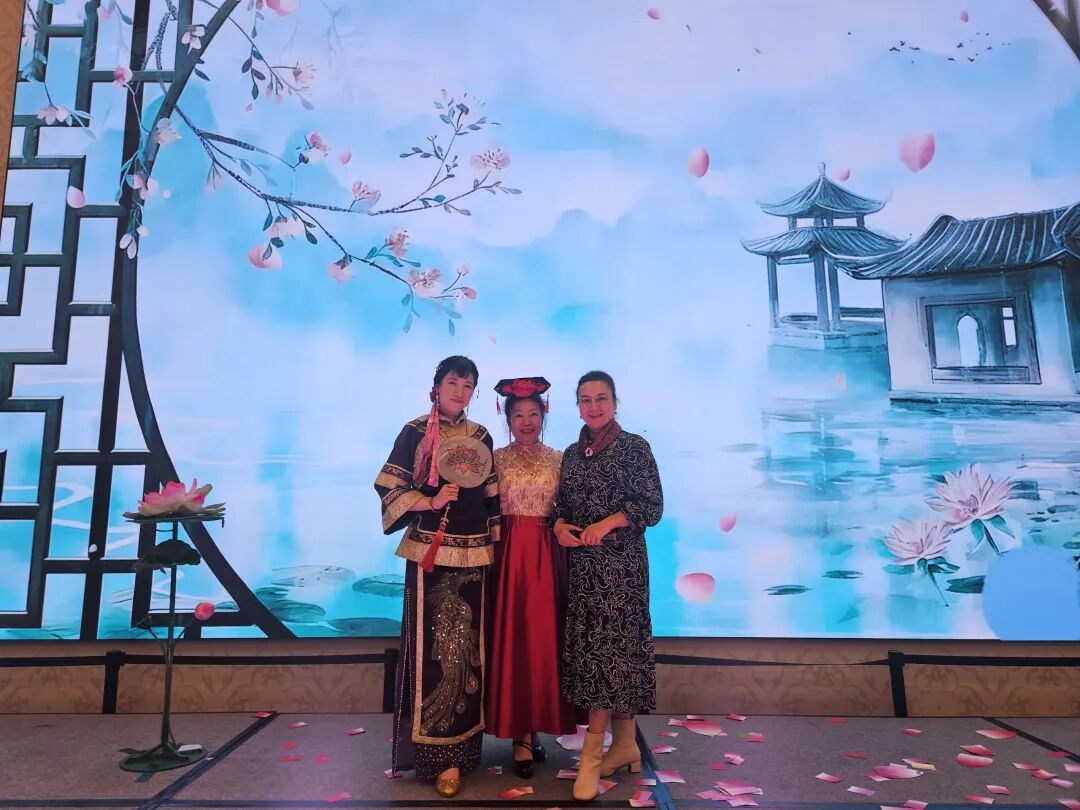
(With thanks to Liang Yuxia, executive dean of the U.S. Flying Tigers Research Institute, for providing the material and photographs)